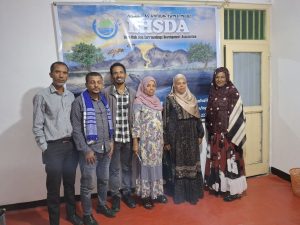
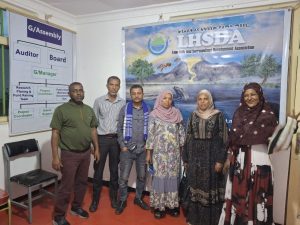
Logo Haik and Surrounding Development Association (LHSDA)
Empowering Communities, Restoring Dignity.
About Us
Logo Haik and Surrounding Development Association (LHSDA)
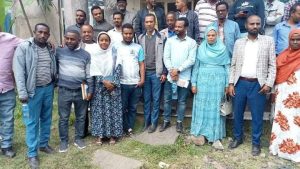
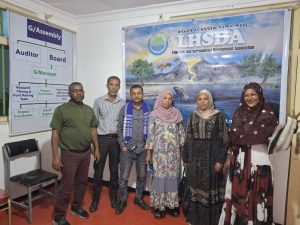
LHSDA is a non-profit humanitarian community-based organization working to build inclusive and dignified communities through social, economic, and development initiatives.
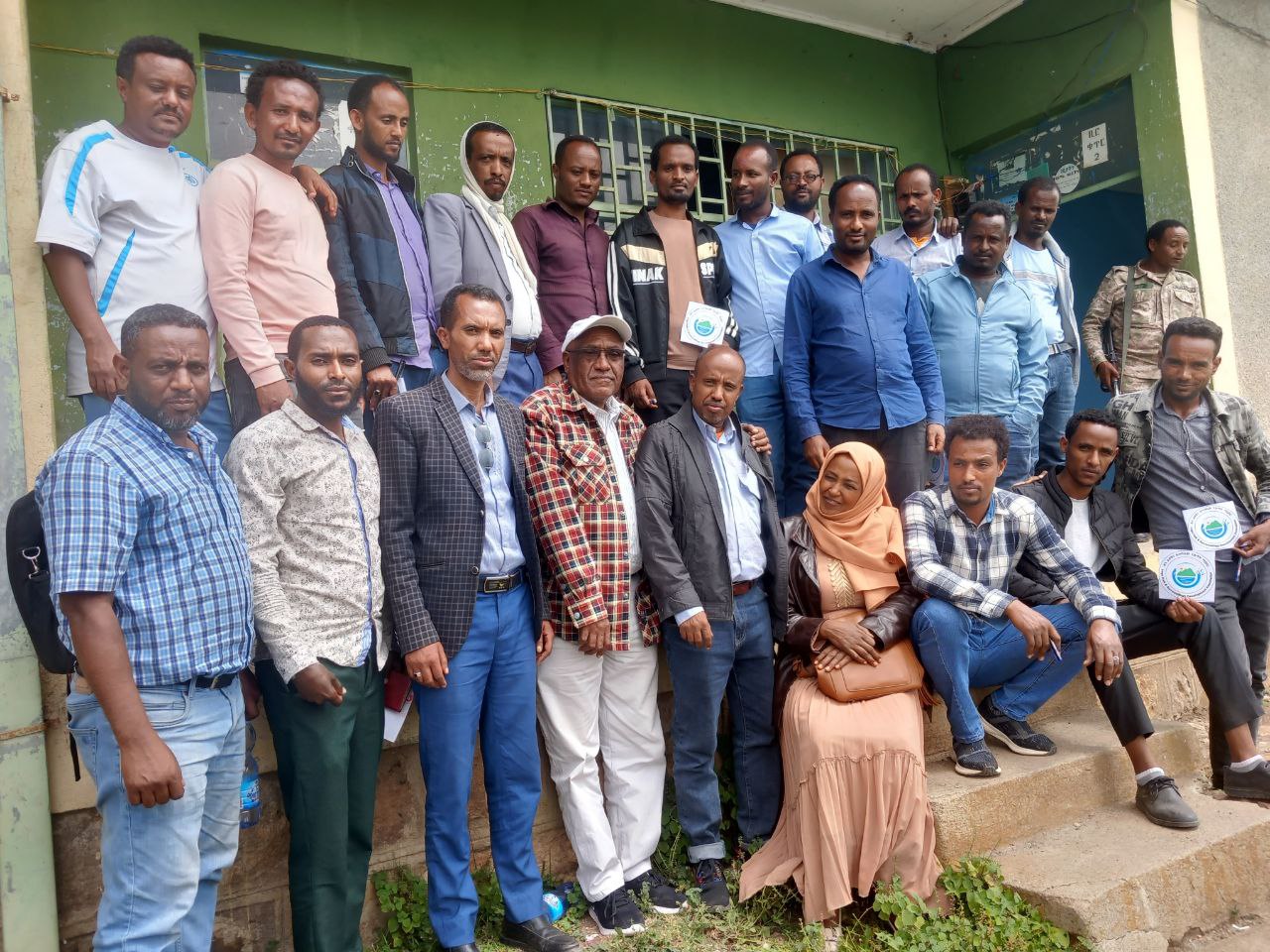
Founded in April 2021 and officially registered as a local NGO in December 2022 under Civil Society Organization Proclamation No. 1113/2019, LHSDA operates across Amhara, Tigray, and Afar regions of Ethiopia.
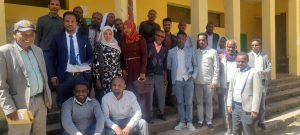
We collaborate with volunteers, government offices, and partner organizations to respond to humanitarian needs and promote sustainable community development — with a special focus on women, children, youth, and people with disabilities.
Programs
Health and Nutrition
We promote access to quality healthcare and proper nutrition, focusing on vulnerable women, children, and families to build healthier, resilient communities.
Education
LHSDA supports equitable access to education, providing learning opportunities, skills training, and awareness programs for children and youth.
Women, Peace, and Security
We engage women in peacebuilding and conflict resolution, promoting their active role in creating safe and stable communities.
Social Inclusion and Child Protection
LHSDA works to ensure that children, people with disabilities, and marginalized groups are protected, included, and given equal opportunities.
Empowering Communities, Restoring Dignity
Programs and Achievements
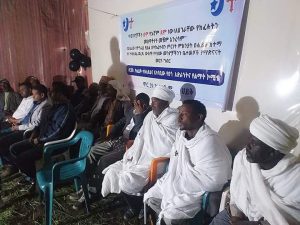
Conducted needs assessments and evidence-based studies for development planning.
Delivered life skills and personal development training for youth and adolescents.
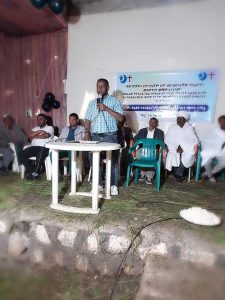
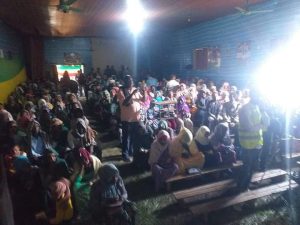
Organized gender equality and health awareness programs.
Provided training to prevent illegal migration and promote livelihood skills.
Promoted gender equality and improved access to social services.
Supported income-generating activities through business and skill development training.
Promoted local culture, traditions, and values.
Strengthened reading and saving habits within communities.
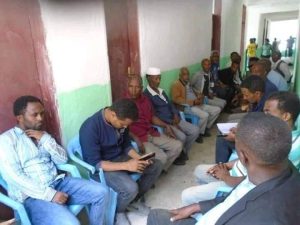
Engaged elders in peacebuilding and leadership promotion.
Participated in national development and poverty reduction initiatives.
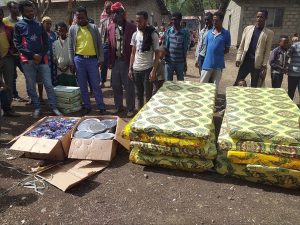
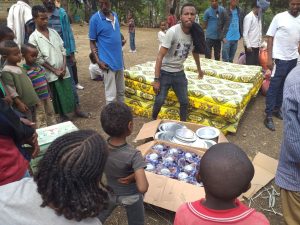
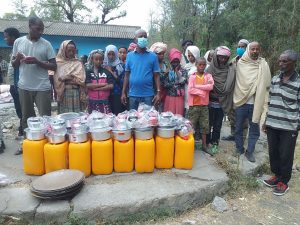
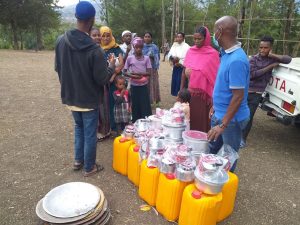
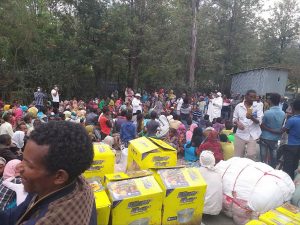
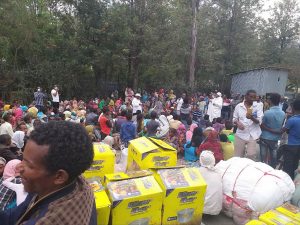
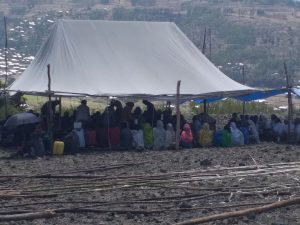
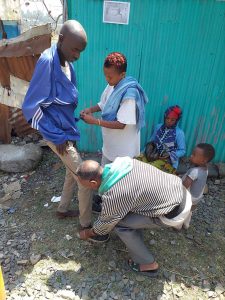
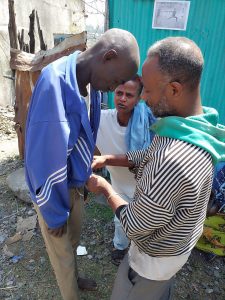
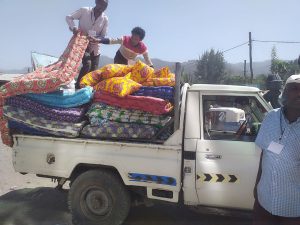
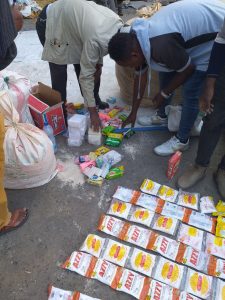
Distributed food, clothing, utensils, and hygiene materials to conflict-affected families.
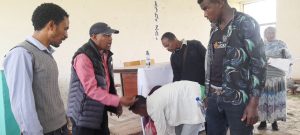
Provided financial assistance to families who lost relatives due to conflict.
Conducted reproductive health training for women and youth